FABRIC AS IDENTITY: WHY MATERIAL MATTERS MORE THAN DESIGN
Before silhouette, before colour, before anything that can be sketched or styled, there is fabric.
It is the first decision, even when it is treated like an afterthought.
A design can exist as an idea without fabric. It can be drawn, referenced, imagined. But it cannot exist as a garment without it. And more importantly, it cannot feel like anything without it.
Because fabric is not just a surface. It is behaviour.
It determines how something moves, how it holds, how it falls against the body. It defines whether a garment feels structured or effortless, sensual or restrained. The same design, executed in two different materials, becomes something entirely different.
A bias cut dress in silk does not exist in the same way in cotton. A tailored jacket in wool does not carry the same authority in a synthetic blend. The lines may be identical, but the outcome is not.
This is where many brands get it wrong.
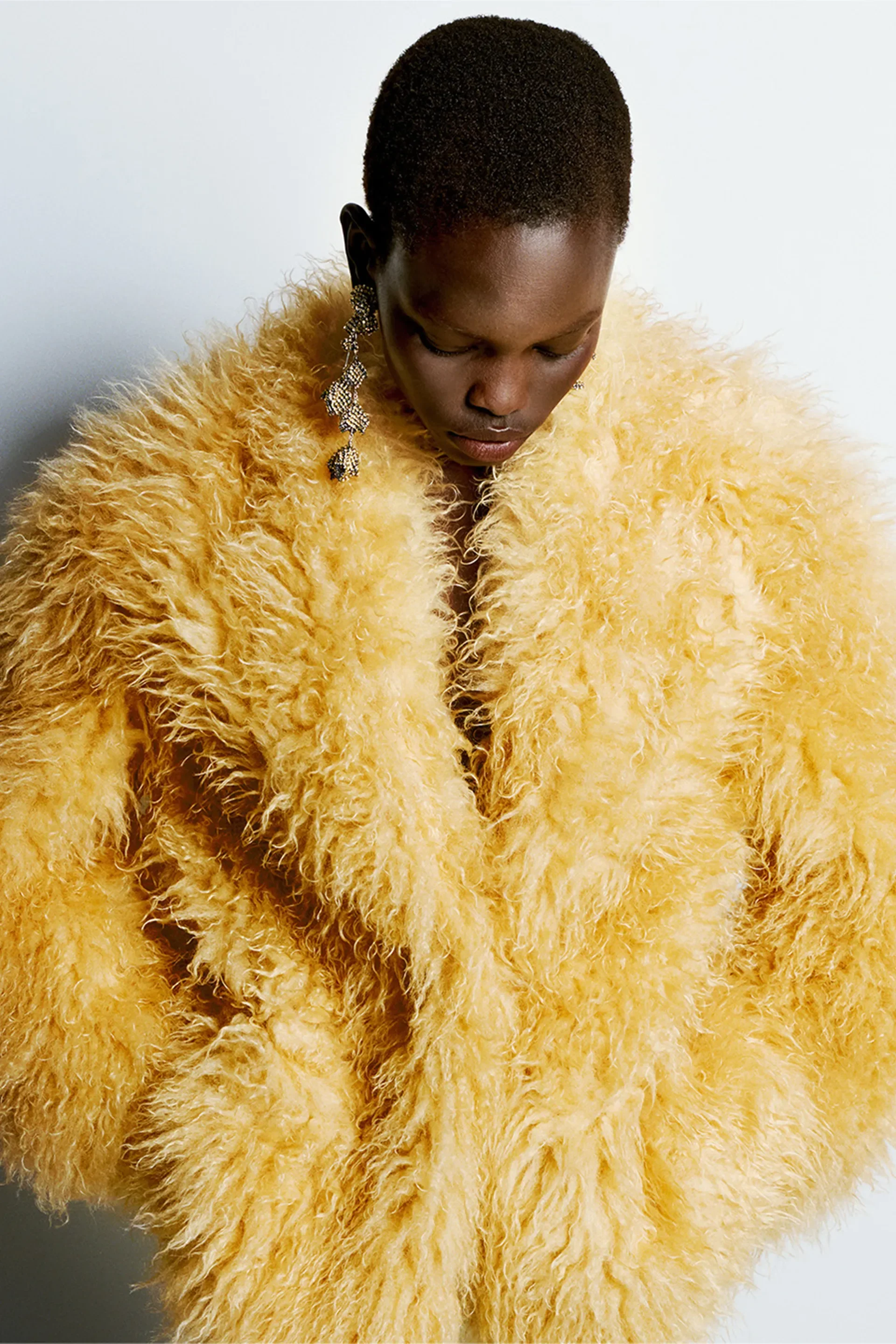
Design is often prioritised as the defining feature, while fabric is chosen later, adjusted to meet cost targets, availability, or timelines. The result is a garment that looks resolved on paper but feels disconnected in reality. The intention is there, but the material does not support it.
And the disconnect is immediate.
You can see it in the way a garment sits too stiff or too flat. You can feel it in the weight, or the lack of it. You notice it when something that should feel elevated feels ordinary instead. Not because the design is weak, but because the material does not carry it.
Fabric holds identity in a way design alone cannot.
It communicates quality without explanation. It shapes perception before a customer even registers the details. A fluid silk suggests ease and confidence. A dense wool creates structure and presence. A sheer layer introduces tension and softness at the same time. These are not styling choices. They are inherent to the material itself.
And once chosen, they influence everything that follows.
Construction changes. A seam that works in one fabric may fail in another. Proportions shift. Volume behaves differently depending on weight and drape. Even the way a garment is graded across sizes is affected by how the fabric responds to movement and tension.
Fabric is not a layer applied to a design. It is the foundation the design is built on.
Because in the end, the customer does not experience your sketch. They experience the garment.
They feel the weight of it. The movement. The texture against their skin. They decide, often within seconds, whether it feels like what it is supposed to be.
And that decision is rarely driven by design alone.
Fabric is what makes a garment believable. It is what gives it presence. It is what turns something from an idea into something with identity.
And when it is chosen well, everything else becomes simpler.
