Why I Left In-House Fashion to Work Independently
For a long time, I thought pressure was just part of the job.
Tight deadlines. Constant development cycles. Collections moving forward before the last one had fully resolved. There was always another sample to review, another fit to push through, another decision made quickly because there was no time to sit with it.
It becomes normal, that pace. You learn how to work within it. How to make fast calls. How to move things forward even when something feels slightly off.
But over time, you start to notice what gets left behind.
Details are rushed. Fit is approved before it is fully resolved. Fabric decisions are made based on availability rather than intention. Not because people do not care, but because the timeline does not allow for anything else.
The priority becomes momentum.
And in fast fashion, momentum is everything.
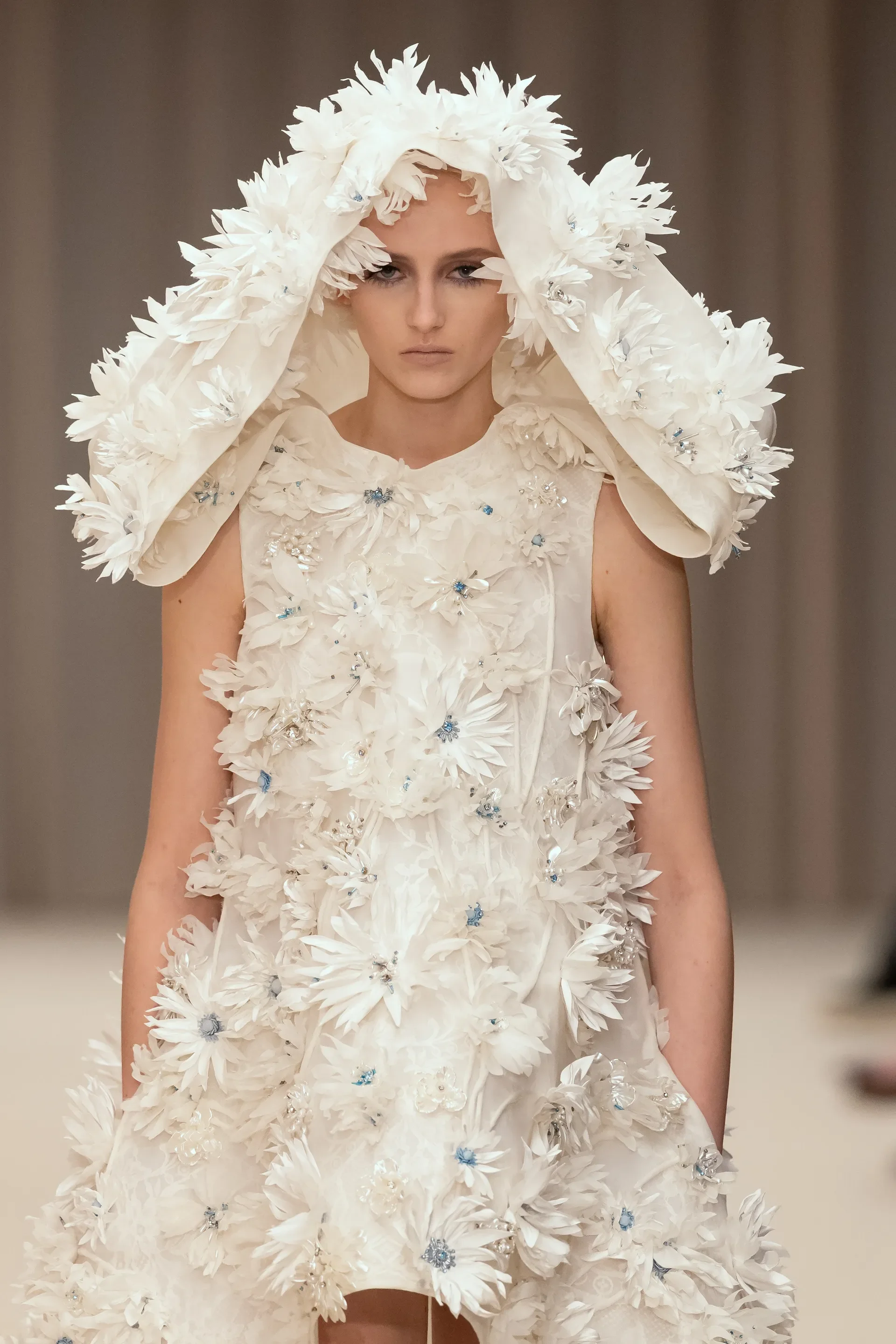
Fall 2026 Ready-to-Wear
Collections need to land on time. Production needs to move. Delays cost money. So the process is built around speed, often at the expense of refinement. You learn how to get something to a point where it is good enough to proceed, even if it is not exactly right.
That was the part that stayed with me.
Not the pace itself, but the compromise within it.
Because the difference between something that is almost right and something that is fully resolved is often small in time, but significant in outcome. A few more adjustments to a fit. A better fabric choice. A construction detail that elevates the entire garment. These are not dramatic changes, but they are the ones that define how something is experienced.
And they are usually the first things to be cut when time is limited.
Working independently changed that.
It created space to focus on the part of the process that matters most. Not just getting a garment through development, but actually refining it. Looking at how it sits on the body. How it moves. Whether the proportions feel intentional. Whether the fabric supports the design rather than just filling in for it.
There is a different level of attention when you are not working against a rigid, high volume timeline.
Decisions become more considered. Fittings are not just about approval, they are about adjustment. The goal is not to move as quickly as possible, but to move correctly.
And that shift changes the outcome.
The garments feel more resolved. The fit is more consistent. The product holds its intention from concept through to production. There is less need to correct things later, because more time has been spent getting them right at the beginning.
Independence also changes the way you work with brands.
Instead of being embedded in a system that prioritises speed, you become a point of focus within it. Bringing clarity to the process. Slowing down the right moments so that the final result does not feel rushed, even if the timeline is tight.
It is not about removing efficiency. It is about refining where it is applied.
Because efficiency without intention leads to inconsistency. And in a market where customers are more aware than ever, that inconsistency is felt immediately.
Leaving in house was not about stepping away from the industry. It was about working within it differently.
Prioritising quality over volume. Resolution over speed. Making decisions that support the longevity of a product, not just its delivery date.
The pace of fashion is not slowing down. But that does not mean every part of the process needs to move at the same speed.
Some parts require time.
And those are usually the ones that matter most.
