Aesthetic vs Execution: Why Good Design Isn’t Enough
There is no shortage of good design.
Visually, the industry has never been stronger. References are sharper. Styling is more considered. Branding is more cohesive. From the outside, everything looks resolved.
But the gap between how something looks and how it actually exists has never been more obvious.
A garment can photograph well and still fail in reality. It can carry a strong identity online, but lose it completely once it is worn. The proportions feel slightly off. The fit is inconsistent. The fabric does not behave the way it suggests it will.
It looks right. It just does not feel right.
This is the difference between aesthetic and execution.
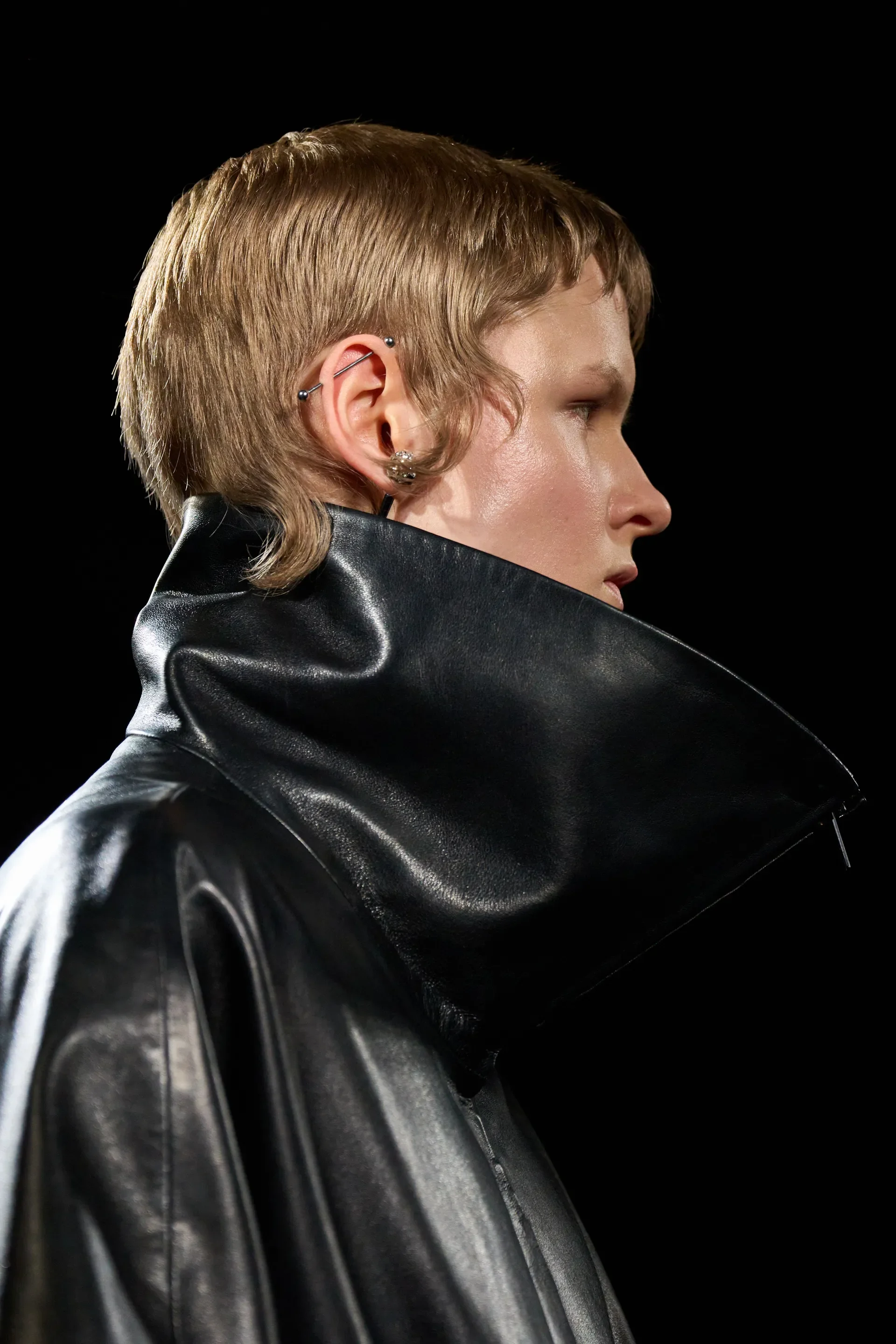
Aesthetic is immediate. It is what draws you in. It creates desire, builds identity, and defines how a brand is perceived at first glance. It exists in images, in references, in the overall visual language.
Execution is what holds that perception in place.
It is the part you cannot always see in a campaign, but immediately feel when you interact with the product. It is how a garment fits across sizes. How it moves with the body. How the fabric supports the shape rather than working against it. How every detail, even the smallest, contributes to a sense of intention.
Without execution, aesthetic is fragile.
It relies heavily on styling, on lighting, on the right angles. It needs to be controlled to be convincing. And the moment it leaves that controlled environment, the inconsistencies become visible.
This is where many brands lose trust.
Not because the idea is weak, but because the product does not deliver on what was promised visually. The expectation is set at one level, and the reality sits just below it. That gap, even when small, changes how the entire brand is perceived.
Consistency is what builds confidence.
When a garment looks right and feels right, there is no disconnect. The experience aligns with the expectation. The customer does not need to question it. They do not need to adjust or compensate. It simply works.
And that level of consistency does not happen by accident.
It is built through process. Through refinement. Through decisions that prioritise how something performs, not just how it appears. Fit is tested and adjusted. Fabrics are chosen with intention. Construction is considered in relation to both design and durability.
These are not separate from design. They are what allow design to exist fully.
Because a strong idea should not rely on explanation. It should hold its own in reality.
This is why the most resolved brands often feel effortless. There is no tension between what they present and what they produce. The aesthetic carries through because the execution supports it at every stage.
Nothing feels overcompensated. Nothing feels unresolved.
It is easy to focus on what is visible. To prioritise the parts of the process that can be shared, styled, and communicated quickly. But the value of a garment is not defined by how well it can be presented. It is defined by how well it holds up without that support.
Aesthetic may be what captures attention.
But execution is what sustains it.
